|
| Tankless hot water heater guide
With that said, the energy savings potential of never reheating stored water again shouldn't go unnoticed. The energy waste that occurs in storage tank units is referred to as standby heat loss, and on average it accounts for 20% of your total water heating costs. It's the technology of instant hot water heaters that allows for both an on demand supply and potential savings. Instant hot water heater and expectationsKeep in mind that with an instant water heater you and your family will have an endless supply of hot water. If energy savings is your main objective, be advised that a substantial increase in use will only offset the potential savings. But if you ever had to wait in line for your morning shower, only to discover that all of the hot water has already been used, then a tankless hot water heater maybe that much more desirable. With tankless hot water heaters and service it's all about flow rate. The best units can adequately service up to two major appliances at once, such as a dishwasher and a washing machine or service up to two hot showers at the same time. Flow rates of 5 to 6 gallons per minute are the new industry standard and all without ever running out of hot water. An 80 gallon storage tank water heater is about the biggest residential tank unit currently available and they can run out of hot water in about 15 minutes after servicing two simultaneous showers. Fuel TypesMaking the choice between an electric tankless water heater and a propane or tankless gas water heater is one of the first decisions to make. It's important to note that certain requirements are needed to accomadate each fuel type. Flexible applicationTankless hot water heaters are very versatile. They can be applied in different ways to better serve your hot water needs. If you're looking to supply one or two closely located fixtures (such as a washing machine or two adjacent sinks) or if your looking for an energy efficient back up for a solar hot water heater, then a point of use water heater may be ideal. If you're looking to supply an entire home or a large extension to your living quarters, then a whole house tankless water heater would be ideal. Determining unit size and type |
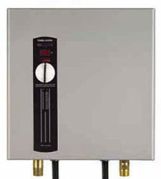 With a tankless hot water heater, the thought of an instant supply of hot water is usually the first thing that comes to mind.
Atlanta, Georgia | Powered by Site Build It!
Website design by Cre8ve Online